
Unveiling the myths surrounding casino gambling

The Illusion of Easy Money
One of the most prevalent myths surrounding casino gambling is the idea that players can easily make a fortune with little effort. This belief is often perpetuated by movies and television shows, where characters strike it rich in a matter of moments. In reality, while jackpots do occur from time to time, they are statistically rare events. Most players who engage in gambling at casinos do not walk away richer; in fact, the house edge ensures that, over time, the casino will earn more than the players. Many also explore online betting canada options, which adds another layer of complexity to this fundamental aspect of casino gaming that is essential for anyone considering entering this environment.
This myth can lead to destructive gambling behaviors, where individuals chase their losses in the misguided hope of winning back their initial bets. Such a cycle often results in even greater financial losses rather than recovery. Many gamblers misunderstand the odds and probabilities associated with various games, mistakenly believing that a winning streak is just around the corner based on past outcomes. It is crucial to understand that every game operates independently of the previous one, and the odds remain constant regardless of prior results.
Furthermore, the psychological impact of near-wins can reinforce this myth of easy money. Gamblers may experience an exhilarating rush when they come close to hitting a jackpot, leading them to assume that a win is imminent. This phenomenon, often referred to as the “near-miss effect,” can trap players in a cycle of persistent gambling, reinforcing the belief in easy riches while diverting attention away from the reality of long-term losses. Understanding these psychological factors is essential for developing a responsible approach to gambling.
The Myth of Losing Streaks
Another common misconception in the world of gambling is the belief in losing streaks. Many bettors adhere to the fallacy that a player is “due” for a win after experiencing a series of losses. This thought process is deeply rooted in the gambler’s fallacy, which erroneously suggests that past outcomes influence future results in independent games. Each round of cards or spin of the wheel is a separate event, and the outcome is determined randomly, independent of what has happened before.
This belief can lead gamblers to make unwise decisions, such as increasing their bets in an attempt to recoup losses. Unfortunately, this often exacerbates financial difficulties, as players may wager more than they can afford in hopes of turning their luck around. It is essential to recognize that the odds do not change based on personal experience; every game is a standalone event, and past performances do not guarantee future results. By understanding this, players can make more informed decisions and manage their expectations more effectively.
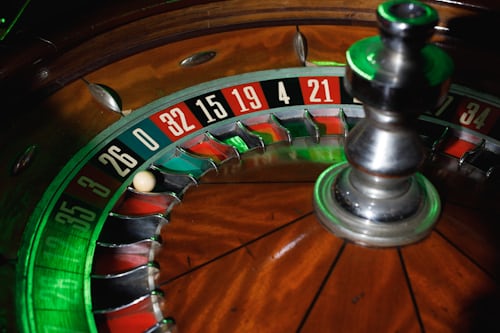
Recognizing the nature of randomness and probability in gambling can help demystify this pervasive myth. Casinos utilize various systems and technologies to ensure that all games remain fair and random. Understanding that losing streaks are simply a part of the gambling experience can encourage healthier play and promote a mindset that views gambling as a form of entertainment rather than a financial strategy. This shift in perspective is vital for fostering responsible gaming practices.
The Role of Luck Versus Skill
The debate over whether casino gambling is primarily a game of luck or skill remains a contentious topic among enthusiasts. Many individuals believe that games like poker and blackjack require a significant degree of skill, while others argue that luck is the dominant factor across all casino games. While it is true that certain games incorporate skill elements, such as strategy and decision-making, it is critical to acknowledge that luck plays a significant role in the outcome of every game.
In skill-based games, players can improve their odds through knowledge, experience, and strategic play. For instance, a seasoned poker player may utilize probability and psychological tactics to outwit opponents. However, even the most skilled player can endure a streak of bad luck, resulting in unexpected losses. Conversely, games like slots rely entirely on chance; no amount of expertise can affect the random number generators that determine payouts. This distinction between luck and skill is important for players to understand as they approach different types of games.
This ongoing debate can often mislead players into thinking they can entirely control the outcome of their gambling experiences. While developing skills is undeniably valuable, it should be coupled with an awareness of the inherent randomness in games. Players should enter the gambling arena with realistic expectations, recognizing that regardless of their skill level, luck remains an unpredictable factor that can change the dynamics of any game in an instant. This understanding can lead to a more balanced approach to gambling.
The Glamorous Lifestyle of Gamblers
The glamorous lifestyle often associated with casino gambling is yet another myth that distorts the reality faced by many players. Media portrayals frequently depict affluent gamblers living lavish lives, celebrating massive wins, and enjoying luxurious surroundings. However, the truth is that the majority of casino patrons do not experience this high-stakes lifestyle; instead, many confront significant financial challenges as a result of their gambling habits. The disparity between the glamorous image and the reality is stark.

In reality, gambling can lead to considerable financial strain for many individuals. Stories of bankruptcy, addiction, and emotional distress are far more common than the glamorous portrayals suggest. While some individuals may indeed walk away with substantial winnings, these stories often overshadow the countless players who lose much more than they gain. The allure of gambling can be captivating, but it is crucial to recognize the potential consequences that accompany this activity and to approach it with caution.
Moreover, casinos are designed to attract and accommodate a wide spectrum of players, from high rollers to casual visitors. The atmosphere is intentionally crafted to make gambling seem exciting and luxurious, often blurring the lines between reality and fantasy. Acknowledging this marketing strategy can help potential gamblers proceed with caution and maintain a balanced understanding of the true nature of gambling, rather than succumbing to the glamorized portrayals that dominate popular culture. This awareness can promote responsible gambling practices and a healthier relationship with games of chance.
Get Informed and Play Smart
To navigate the complexities of casino gambling successfully, players need to empower themselves with knowledge. Understanding the myths surrounding gambling is crucial to making informed decisions and enjoying a responsible gambling experience. Players should educate themselves about the games they intend to play, utilizing resources such as guides, expert advice, and statistical information to enhance their understanding of the odds and strategies involved. Knowledge is a powerful tool that can help individuals navigate the gambling environment more effectively.
Additionally, establishing clear limits on time and money can safeguard against the pitfalls often associated with gambling. Setting a budget before entering a casino can prevent players from overspending and ensure that gambling remains a form of entertainment rather than a source of stress. It’s essential to approach gambling with a mindset that prioritizes enjoyment over financial gain, embracing the idea that losses are an inherent part of the experience.
Finally, fostering a community where players can share their experiences and strategies can contribute to a healthier gambling culture. Engaging with others who are knowledgeable about casino games can provide valuable insights and different perspectives. By promoting responsible gaming practices and dispelling common myths, individuals can enhance their gambling experiences while minimizing potential risks and negative consequences. With the right approach and mindset, casino gambling can be an enjoyable pastime rather than a destructive habit.
